The paperwork problem nobody built software for
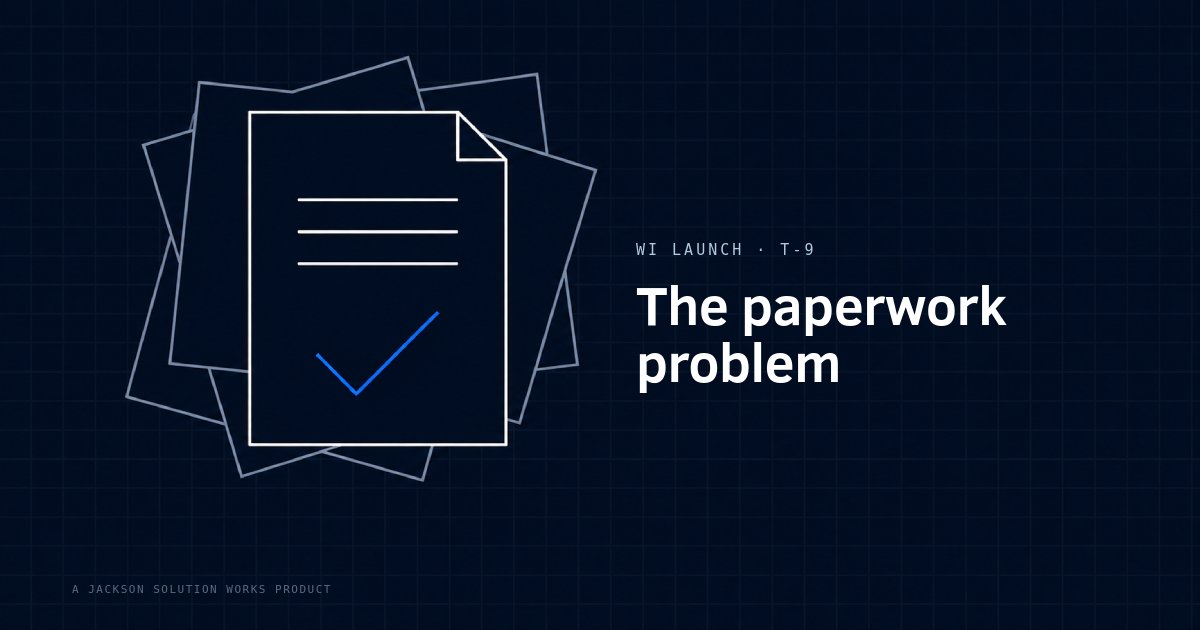
Every remodeling job in Wisconsin starts the same way. A homeowner says yes, and then somebody has to turn a conversation into a contract. For most solo and small-crew contractors, that “somebody” is you, at 9pm, at the kitchen table, working from a Word template you downloaded years ago or a string of text messages you’re hoping counts as an agreement.
It mostly works, until it doesn’t. A scope dispute on a $40,000 kitchen job doesn’t need to happen often to erase the margin on it. A missing right-to-cancel notice or lien-rights disclosure isn’t just an oversight; in Wisconsin, it’s a compliance gap with a state consumer-protection agency behind it, not just an internal paperwork miss. Every hour spent wrestling a job description into contract language is an hour not spent running the crew or bidding the next job.
Here’s a fact that surprises a lot of contractors who’ve been doing this for years: Wisconsin remodeling contracts aren’t just governed by whatever language you and the homeowner agree to. They sit inside a specific regulatory framework, administered by two different state agencies. The Department of Safety and Professional Services (DSPS) certifies who’s allowed to hold the contract in the first place. The Department of Agriculture, Trade and Consumer Protection (DATCP) governs how the contract has to be written and how changes to it get handled, under a rule called ATCP 110. Most templates floating around online were never built with either of those in mind.
Field-management software doesn’t solve this either. Estimating tools produce quotes, not contracts, and none of them know anything about Wisconsin’s actual statutory requirements. A downloaded template doesn’t adapt to your job, and it doesn’t get smarter the tenth time you use it.
We built ScopeAccord because this gap is specific, well-defined, and solvable. Take what a contractor already knows about a job, said out loud, the way you’d tell your crew, and turn it into a clean, Wisconsin-specific contract with the required notices already built in. You can review every line before anything is final. Nothing is guessed, nothing is assumed.
Over the next ten days we’re walking through exactly how it works, piece by piece, before we launch in Wisconsin on August 24. If you’ve ever finished a job successfully and then lost sleep over the paperwork behind it, this is for you.